ICC BUILDING CODE - RCI TOPIC

GFCI VS. AFCI PROTECTION

Modern electrical safety relies heavily on two important protective devices: Ground-Fault Circuit Interrupters (GFCI) and Arc-Fault Circuit Interrupters (AFCI). While both devices interrupt electrical power when unsafe conditions are detected, they are designed to address completely different hazards.
Understanding the difference is important for builders, inspectors, underwriters, and homeowners because both devices are required by modern electrical codes and play a vital role in protecting occupants and property.

The Key Difference

GFCI Protection

Designed primarily to protect people from electrical shock or electrocution.

AFCI Protection

Designed primarily to prevent electrical fires caused by dangerous arcing conditions in wiring systems.

What GFCI Devices Protect Against

GFCI devices detect ground faults, which occur when electrical current unintentionally flows to ground—often through water or the human body.

When a ground fault is detected, the device shuts off the circuit in a fraction of a second.
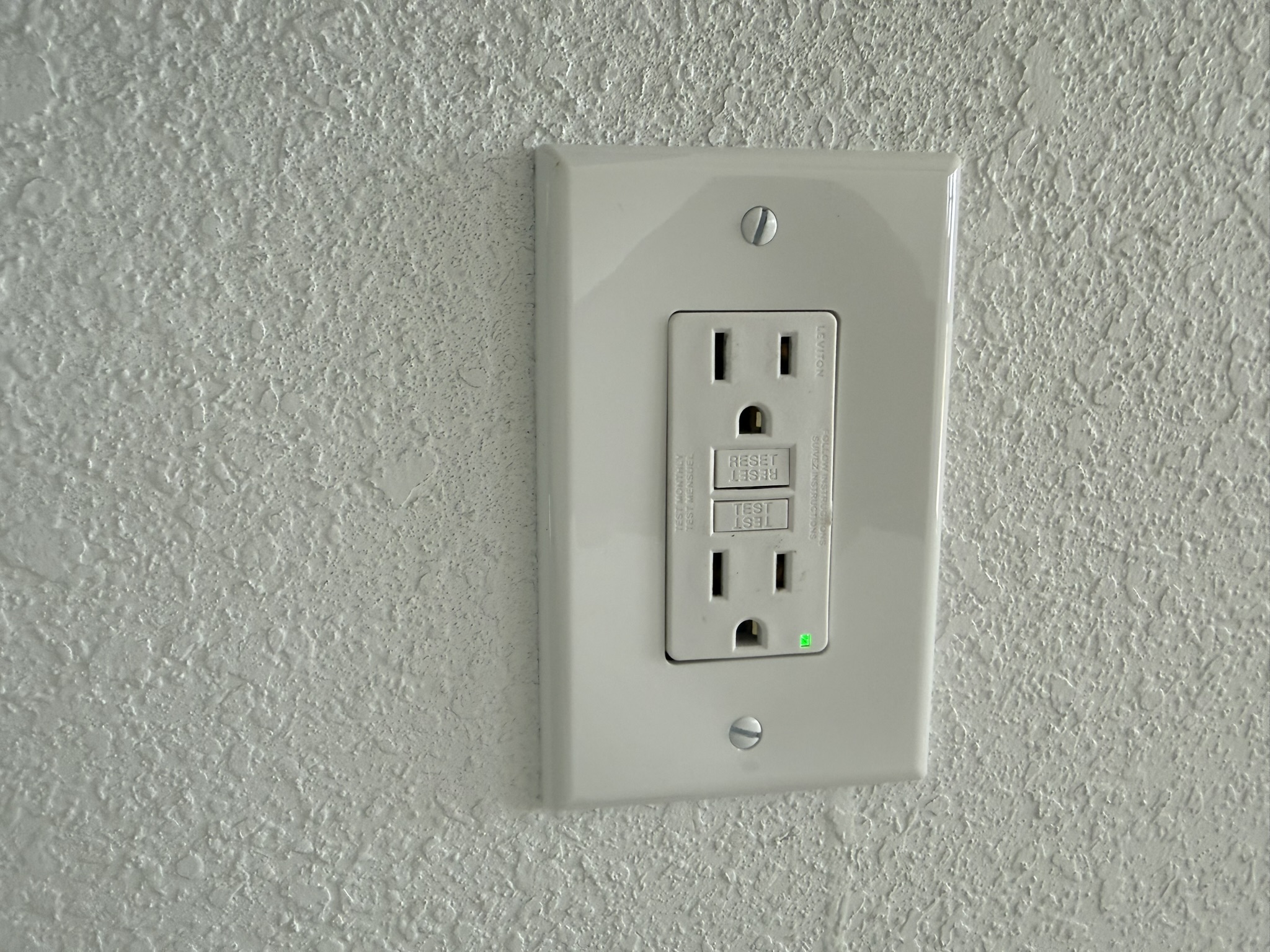
These devices have TEST and RESET buttons and are commonly installed as receptacles (as shown) or circuit breakers found in the electric panel.

Typical Locations for GFCI Protection

According to the 2023 National Electrical Code (NEC), GFCI protection is commonly required in areas where electricity and water may come into contact, including:

Bathrooms

Kitchen countertop receptacles

Garages

Outdoor outlets

Laundry areas

Unfinished basements

Within 6 feet of sinks

Dishwashers and certain appliances

What AFCI Devices Protect Against

AFCI devices detect dangerous electrical arcs in wiring systems. Arcing occurs when electricity jumps across a gap in damaged or loose wiring, producing intense heat capable of igniting surrounding materials.

These devices shut off power when abnormal arc patterns are detected.
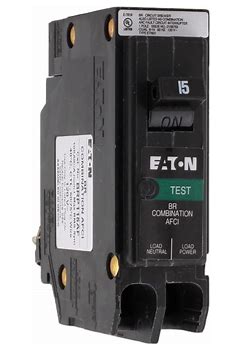
Typical Locations for AFCI Protection

The 2023 NEC requires AFCI protection for most 120-volt, 15- and 20-amp branch circuits supplying living areas, including:
AFCI protection is usually provided by AFCI circuit breakers installed in the electrical panel.

Bedrooms

Hallways

Living Rooms

Closets

Dining Rooms

Family Rooms

Dens

similar habitable spaces

Why Both Are Important

Electrical hazards in homes typically fall into two categories:
GFCI and AFCI devices work together to address these two risks. Both protect and both are required by the ICC Building Codes.

important note!