
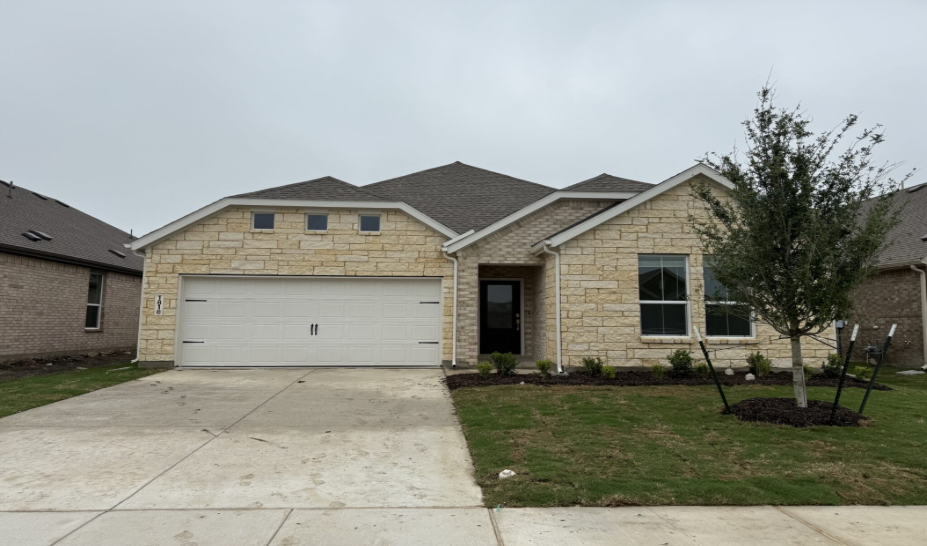
Lender Inspection Defined and Operations Conducted lender inspection means a visit to the site by an independent third-party person to assess the actual state of the property in the process of funding the loan by the lender, investor, or the insurer. The inspection report includes photographs related to the current state of the property, construction processes, or occupancy compliance processes.
Funding delays rarely come from big stuff. A missing window limiter, a loose stair rail, a water heater with no discharge pipe: any one of them can park an FHA file for days while everyone waits on a re-inspection.
Lenders can’t stand in the house. They are referring to the documents that contain details about an appraisal and a draw request. A lender inspection eliminates the need for the above paperwork because it sends a person who is qualified to measure and take pictures of the site.
What a lender inspection is
In plain terms, it’s a verification visit. The lender, an investor, a bank, or an insurance carrier hires an independent inspector to confirm one fact about a property. Is the work really 60 percent done, like the builder says? Is the house finished and safe enough to fund? Is a tenant actually living in that unit?
It belongs to the family of third-party property verification, alongside the appraisal and the buyer’s home inspection. But it answers a different question than either one. An appraiser estimates value. A home inspector reports the condition of the buyer. A lender inspector reports facts for the party putting up the money.
How is a lender inspection different from a home inspection?
A home inspection works for the buyer. A lender inspection works for the lender. It is important to grasp the essence of how the home inspection process works. When a buyer employs a home inspector, they are looking for some information about what should be fixed after closing on the house; however, when a lender employs a lender inspector, they are not hiring someone to help them negotiate repairs or assess the property. The job of the lender inspector is relatively simple, as it is usually based on a lender checklist or a standardized form provided by the government, rather than on the professional opinion of an inspector.
Appraisals are different. The appraiser compares sales and estimates value and may note obvious defects. They usually aren’t checking every smoke alarm and window latch room by room.
So, one doesn’t replace the others. A buyer with a clean home inspection can still watch an FHA final inspection flag with a missing alarm. It happens more than people expect.
Where building code inspection fits in
Lender work and code work overlap more than most people think. On new construction, a building code inspection track the job against the International Residential Code or the International Building Code, plus local amendments, from the temporary power pole release through the certificate of occupancy. Lenders care because a project that fails to code can’t be occupied, and a house nobody can occupy is hard to sell or refinance.
Our inspectors hold ICC certifications and TREC licenses, so one firm can cover an FHA compliance visit and a code inspection without a handoff. We’ve been working in construction since 1982, and the habit of reading a set of plans before walking around a site hasn’t changed.
One limit worth stating plainly. A lender inspector isn’t an engineer or an appraiser, and the report shouldn’t be read either.
What a draw inspection looks like in real life
Let’s assume a construction company wants to get paid for the first round of project costs, stating that 50% of the rough construction is finished for a house of 2400 square feet and the drywall stage is ongoing. The inspector will inspect each room within the house and ensure that the actual construction matches what is on the construction blueprint and payment schedule. Photos get taken from the same angles for each visit so they can be lined up against last month’s set. Stored materials are noted. If the framing is done but the electrical rough-in hasn’t started, the report says so in one line.
The lender then funds against facts instead of hopes. And if the builder’s number was off by a few percent, it surfaces as a conversation while the project is moving, not as a loss at the end.
Five things that slow a lender inspection down
- No access. Lockbox codes that don’t work, locked gates, tenants nobody warned. Confirm access before you book the visit.
- Utilities are off. An inspector can’t confirm whether a furnace or water heater works without power, gas, or water.
- Work reported as done isn’t. Wait to request a visit until the work is finished.
- Wrong address or lot number. New subdivisions are the usual culprit, since street addresses often lag the plat.
- Missing plans or lender checklist. Send both orders, not after the inspector asks.
Fix those five and you’ll remove most of the avoidable re-visits.
What to look for in building inspection services for lender work
Skip the generic vendor questionnaire. Four specific questions tell you more.
- Licenses. Can they show TREC license numbers and ICC certifications?
- Turnaround. How fast do reports come back, and is rush service available?
- Photos. Are they dated, labeled by room, and clear enough to stand alone?
- Flexibility. Will they handle occupied or post-close appointments?
We’d weigh photo quality above almost everything else. A report with forty clear, labeled photos settles arguments. A paragraph of adjectives starts with them.
What to do before you order one
A lender inspection can help prevent costly funding delays by identifying issues before the lender releases funds. When you are seeking a loan, regardless of whether you are a lender, processor or builder in Texas, it is advisable to ask the lender if it can provide you with a preview report before going any further in the leasing process. If the illustrative representation and the text do not seem clear to you, chances are they will not be clear to the lender as well.
Frequently Asked Questions
What is a lender inspection?
A lender inspection is a visit that the lender, investor, or insurer performs to check the condition of the property and whether the construction process is running smoothly. The inspector has to prepare a report based on the information he/she obtains.
Who pays for a lender inspection?
It depends on the transaction. On new construction, the builder or borrower often covers it, while investor-driven work may be paid by the lender. Confirm who is responsible when the order is placed.
Is an assessment conducted by a lender tantamount to a home inspection?
No. The lender inspection acts on behalf of the lender while the home inspection acts on behalf of the purchaser. The intent of both is usually different, and in most cases, both inspections are beneficial for the purchaser.
What comes next if the inspector notices a problem?
The report contains evidence, and whether to fix the situation is a decision made by either the lender or builder at this stage. In the case of FHA files, flagged issues generally require correction and a re-inspection before proceeding.