A building condition assessment is a process that establishes the condition of a building structure, systems, and other elements to prioritize repairs, budgeting, and replacements. In other words, it is a procedure that changes an owner’s concerns regarding the impending state of his aging building into a prioritized list with costs. And construction progress reporting is the companion to a building condition assessment: it’s a dated record that shows the changes a project makes to a building.
Ask an owner how old the roof is and you’ll get three answers from three people. That’s the problem a building condition assessment solves.
It is a matter of caring about the building by complaint versus caring about the building by design. It is also a matter of what the assessment covers, how it differs from Property Condition Observation and Reporting, what is graded, and how construction progress reporting builds on the assessment.
Why owners order a building condition assessment
The purpose is simple: knowing what you own. A building condition assessment is a type of facility condition evaluation, and owners use it to budget capital spending, rank repairs by urgency, back up a loan or insurance file, and prepare a property for sale. Some track a facility condition index, which divides the cost of deferred repairs by the building’s replacement value. A lower number is better.
Boards and facilities managers like it for a less glamorous reason. It ends with the argument about which fix comes first.
What are included in a building condition assessment
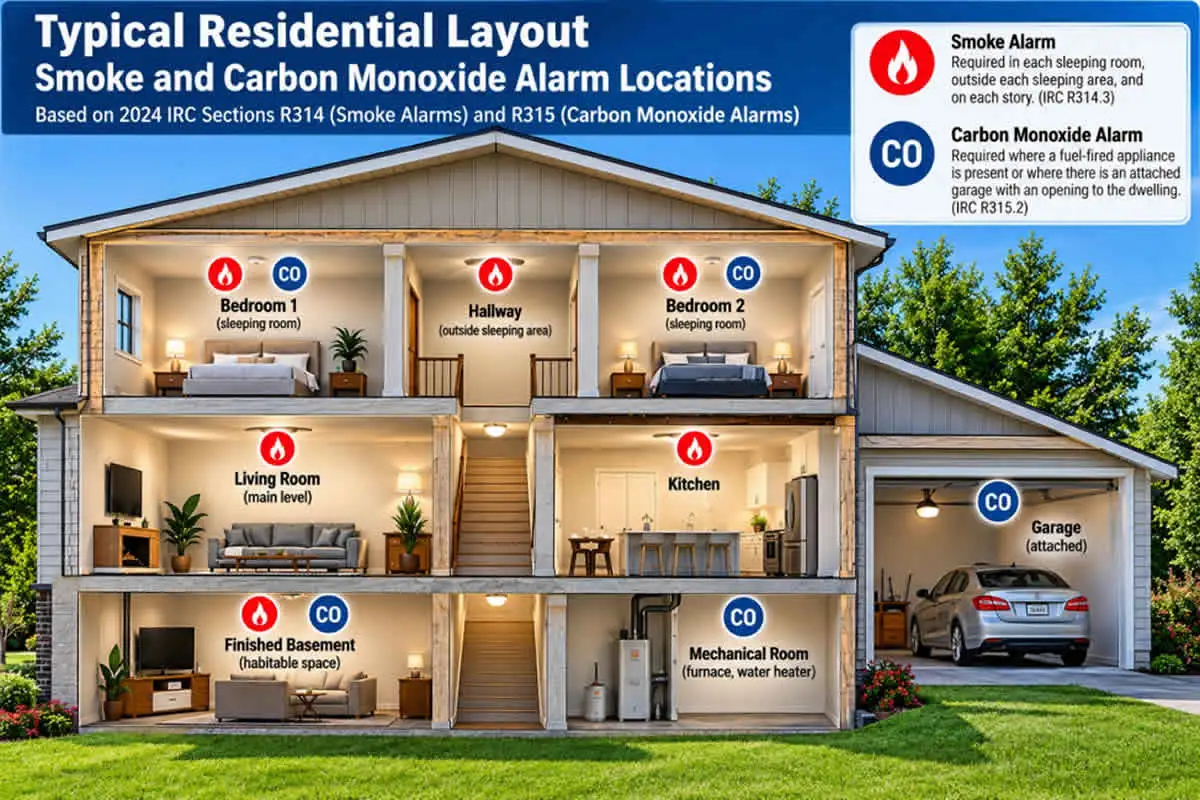
Assessors perform a building survey, which encompasses everything from the building envelope (roofs, walls, windows, and waterproofing) to structural engineering and mechanical, electrical, and plumbing systems. A survey will also include life-safety features and accessibility features, as well as finishing values. Condition and value assessments for building elements are usually summarized as either good, fair, or poor, while an estimate of the element’s remaining service life is provided, together with a budgetary cost estimate.
Who’s doing the walk, matters. Our team has a construction background dating back to 1982, and includes Certified Building Officials, ICC commercial inspector certifications, and accessibility inspector and plans examiner certifications. That means we don’t overlook flashing details that will fail in three winters.
Where construction progress reporting fits
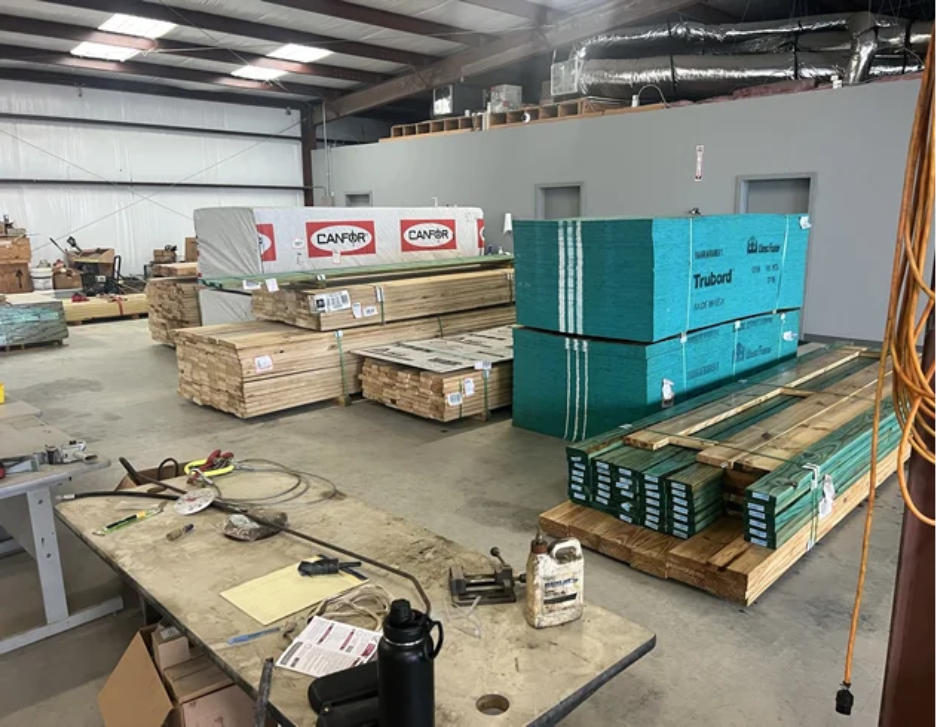
A building condition assessment is a snapshot in time. Construction progress reporting is time-lapse; it’s a series of dated visits, photos of the same angles, percent-complete calculations, and inventory of stored materials, delivered at intervals while the work proceeds. It is used by lenders to release draws and by owners to verify that the contractor’s pay applications are accurate.
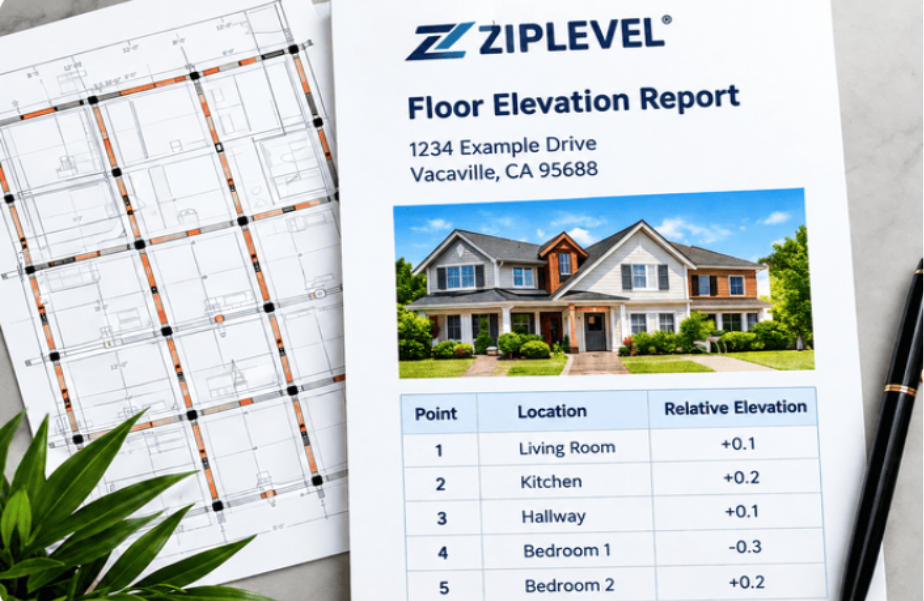
Good construction progress reporting can also carry a measured baseline. A ZIPLEVEL® floor elevation record taken at the completion of new construction, or before a major renovation, gives the building a dated reference that later readings can be compared against. It’s documentation, not an engineering opinion.
A renovation example
The assessment ranks the roofs as the top priority, the parking lots next, and the water heaters as fine for now. You fund the roof replacement in two phases.
During construction, progress reports show that the decking has been replaced on Building 3, while work on Building 4 has not yet started. so the second draw matches reality. When the last roof is done, a final assessment of those roofs closes the loop. Everyone worked from the same date record. Nobody had to rely on memory.
Five mistakes that make an assessment less useful
- A vague scope. Write down exactly which buildings, systems, and units are included.
- Limited access. Roofs, mechanical rooms, and a fair sample of units all need to be reachable.
- No history. Maintenance logs, repair invoices, and warranties give the assessor context a visual walk can’t.
- Treating cost opinions as bids. They’re budget-level numbers, not quotes from contractors.
- Never update it. A five-year-old assessment is a history document.
We’d rather see a modest assessment refreshed every few years than a thick binder collecting dust on a shelf.
How often to refresh one
No law sets a schedule for most properties. Many owners refresh after major storms, ahead of a refinance, or on a rolling cycle of roughly three to five years. Your lender, insurer, or engineer may have their own preference, so ask before you pick a date.
Treat it as a budget tool
The most useful building condition assessment is the one that changes next year’s budget. If it doesn’t move a number, something goes wrong in the scope.
Frequently Asked Questions
What is a building condition assessment?
A building condition assessment is a documentation of a building’s structural, envelope, and systems condition. It is a valuation of each component and an estimation of its remaining life. In addition, it assigns a cost for repairs and replacements that the owner should budget for.
What does a building condition assessment consist of?
Most assessments include the roof and building exterior, structure, mechanical, electrical, and plumbing systems, life safety, accessibility, and interior features with photographs and costing conclusions.
What is construction progress reporting?
Construction progress reporting is a series of dated site reports with photos and percent-complete estimates that show how a project is advancing. Lenders and owners use it to verify work against pay applications.
How does a building condition assessment differ from a building inspection?
A building inspection is a process of verifying code compliance or safety at a given moment usually related to a building permit or a sale, whereas a building condition assessment is looking into the future to estimate the condition and cost to replace or repair building elements many years into the future.
How long does a building condition assessment take?
It depends on size. A small building may take a day on site, and a multi-building community can take several days. The written report follows after the field work and document review.